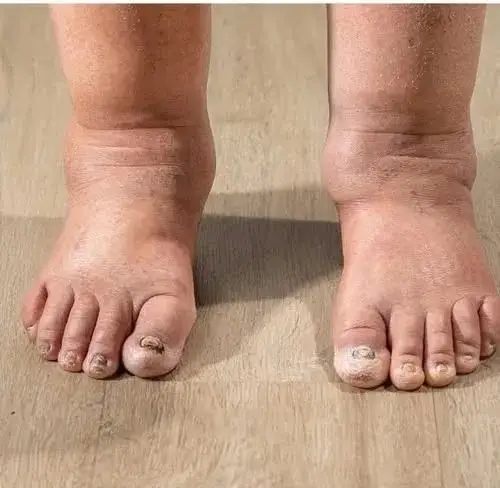
Conditions like cirrhosis or fatty liver can reduce protein in the blood, leading to fluid leaking into tissues. Swelling in the lower body can be one of the first visible signs. Doctors often recommend liver function tests and lifestyle changes to prevent serious complications.
4. Venous Insufficiency
Sometimes the veins in your legs don’t send blood back to the heart efficiently. This is called chronic venous insufficiency, which causes fluid buildup in the ankles, especially after a day of standing or walking. Left untreated, it may lead to varicose veins, skin changes, or ulcers.
5. Medications
Certain medications, including blood pressure drugs, diabetes medicine, or steroids, can cause fluid retention. If swelling begins after starting new medication, it’s important to consult your doctor before stopping.
6. Pregnancy
Pregnant women often notice ankle and foot swelling due to increased blood volume and pressure on veins. While common, sudden or extreme swelling can indicate preeclampsia, which requires immediate medical attention.
7. Lifestyle Factors
Excess salt intake, long periods of sitting or standing, and obesity can also contribute to fluid buildup. Making diet and lifestyle adjustments can often help reduce mild swelling.
