The same sweet potato protein mentioned earlier has also been linked to weight loss. Japanese researchers noticed that when mice are fed a high-fat diet together with SPP, their blood tests showed decreased levels of cholesterol, triglycerides, and elevated levels of hunger-controlling hormones. This provides proof that sweet potatoes can be beneficial when used in a weight loss diet. [8]
So the next time you visit your grocery, give sweet potatoes a shot. You’ll get more than what you are paying for and then some.
Molecular Mechanisms of Sweet Potato Protein (SPP)
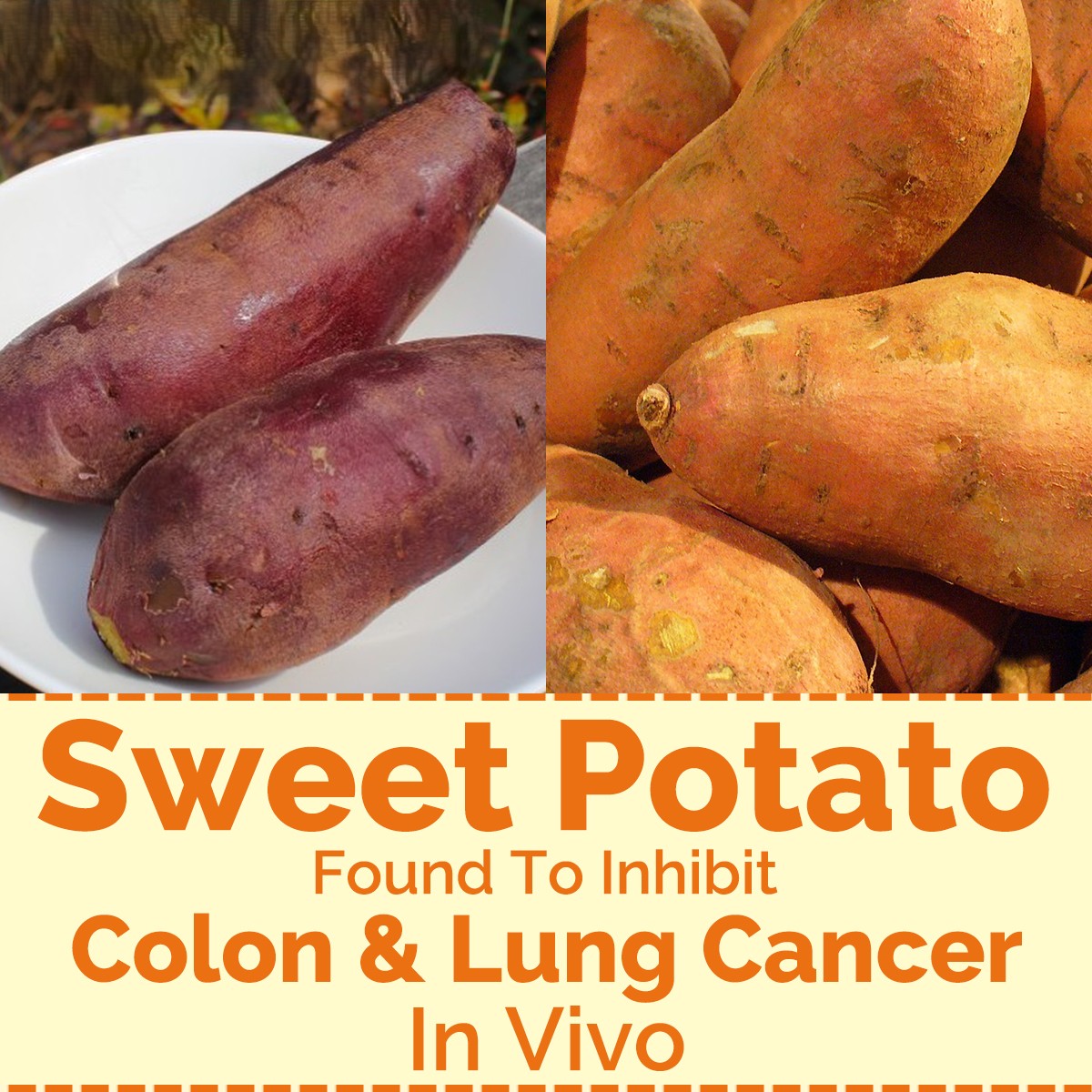
The sweet potato protein (SPP) mentioned earlier works through several sophisticated cellular pathways to inhibit cancer growth. Research published in the World Journal of Gastroenterology revealed that SPP significantly inhibited proliferation, migration, and invasion of human colorectal cancer SW480 cells in vitro. [9] The protein achieved this through multiple mechanisms:
1. Apoptosis Induction: SPP triggers programmed cell death in cancer cells by activating caspase-dependent pathways and modulating pro-apoptotic and anti-apoptotic proteins. [9]
2. Cell Cycle Disruption: Studies show that SPP can arrest cancer cells at specific phases of the cell cycle, preventing them from completing division and proliferation. [9]
3. Metastasis Inhibition: One of the most promising aspects of SPP is its ability to reduce cancer cell migration and invasion, which are critical steps in metastasis. [9]
In animal models, SPP demonstrated remarkable efficacy against both intraperitoneally xenografted human colorectal cancer HCT-8 cells and spontaneous lung metastasis of murine Lewis lung carcinoma cells. [9] What’s particularly interesting is that both oral administration and intraperitoneal injection of SPP proved effective, suggesting potential for different therapeutic applications. [9]
Purple Sweet Potato: A Phytochemical Powerhouse
Purple sweet potatoes contain an impressive array of bioactive compounds with distinct anti-cancer mechanisms:
Anthocyanins and Cancer Signaling Pathways: The rich purple color comes from anthocyanins, which have been shown to interfere with the phosphatidylinositol-3-kinase/protein kinase B (PI3K/Akt) pathway—a commonly mutated pathway in cancer cells that regulates numerous physiological processes. [10] By modulating this pathway, anthocyanins can effectively halt cancer progression.
Keap1-Nrf2 Pathway Regulation: Research indicates that compounds in purple sweet potatoes can activate the Keap1-Nrf2 signaling pathway, which enhances cellular defense mechanisms against oxidative stress and carcinogenesis. [11][10]
A comprehensive review published in the Open Access Macedonian Journal of Medical Sciences concluded that purple sweet potato can promote apoptosis, induce cell cycle arrest, inhibit proliferation and cancer progression in multiple cancer cell types. [10]
Beyond Colorectal and Lung Cancer: Emerging Research
While the focus has been on colorectal and lung cancers, emerging research suggests sweet potato’s anti-cancer properties extend to other cancer types:
Breast Cancer: A study published in Scientific Reports isolated a glycoprotein called SPG-56 from sweet potatoes that demonstrated significant anti-breast cancer activity in MCF-7 cells. [12] This glycoprotein, consisting of 2.9% sugar and 97.1% protein, inhibited proliferation and promoted apoptosis of breast cancer cells in a dose- and time-dependent manner. [12]
Prostate Cancer: Research published in Carcinogenesis found that sweet potato greens extract (SPGE), rich in polyphenols, exhibited significant antiproliferative activity in prostate cancer cell lines while sparing normal prostate epithelial cells. [13] The extract perturbed cell cycle progression, reduced clonogenic survival, and induced apoptosis both in vitro and in vivo. [13]
Liver Protection: Studies have shown that anthocyanin-rich purple sweet potato beverages improved serum hepatic biomarkers in individuals with borderline hepatitis, suggesting potential hepatoprotective effects that could be relevant for liver cancer prevention. [14]
Clinical Relevance and Future Directions
While most studies on sweet potato’s anti-cancer properties have been conducted in laboratory settings and animal models, their findings have important implications for human health:
Translational Potential: The fact that sweet potato compounds show efficacy through both oral administration and injection in animal models suggests potential for development into nutraceuticals or pharmaceuticals. [9]
Preventive Applications: Regular consumption of sweet potatoes, particularly purple varieties, may offer a practical dietary approach to cancer prevention through their antioxidant, anti-inflammatory, and antimutagenic properties. [11][10]
Safety Considerations and Contraindications
Despite their numerous health benefits, it’s important to be aware of potential considerations when incorporating sweet potatoes into your diet:
Oxalate Content: Sweet potatoes contain oxalates that may contribute to kidney stone formation in susceptible individuals. [15] Those with a history of kidney stones should moderate their intake and ensure proper hydration.
Blood Sugar Management: While sweet potatoes have a lower glycemic index than regular potatoes, individuals with diabetes should still monitor their blood sugar levels when consuming them. [15]
Allergic Reactions: Though rare, allergic reactions to sweet potatoes can occur. Symptoms may include itching, swelling, or difficulty breathing, requiring immediate medical attention. [15]
For most people, however, sweet potatoes represent a safe, nutritious food with potential cancer-fighting properties that can be readily incorporated into a healthy diet.
Culinary Applications to Maximize Benefits
The way sweet potatoes are prepared can influence their anti-cancer properties:
Baking vs. Boiling: Research suggests that baking sweet potatoes may enhance their anti-cancer properties. A study published in the Journal of Agricultural and Food Chemistry found that baked sweet potatoes produced extracts that induced death in leukemia cells in laboratory studies. [16]
Skin Retention: The skin of sweet potatoes contains compounds with antioxidant properties that may protect against various cancers, including head, neck, breast, and ovarian cancers. Whenever possible, consider keeping the skin on when preparing sweet potatoes. [16]
Combination with Other Foods: Pairing sweet potatoes with healthy fats like olive oil or avocado can enhance the absorption of fat-soluble antioxidants, potentially amplifying their anti-cancer effects. [16]
Sweet potatoes represent a promising natural approach in the fight against cancer. Their diverse bioactive compounds work through multiple mechanisms to inhibit cancer cell growth, induce apoptosis, and prevent metastasis. While more clinical studies are needed to fully establish their efficacy in humans, the existing evidence provides compelling reasons to include this nutritious root vegetable in a cancer-preventive diet.
