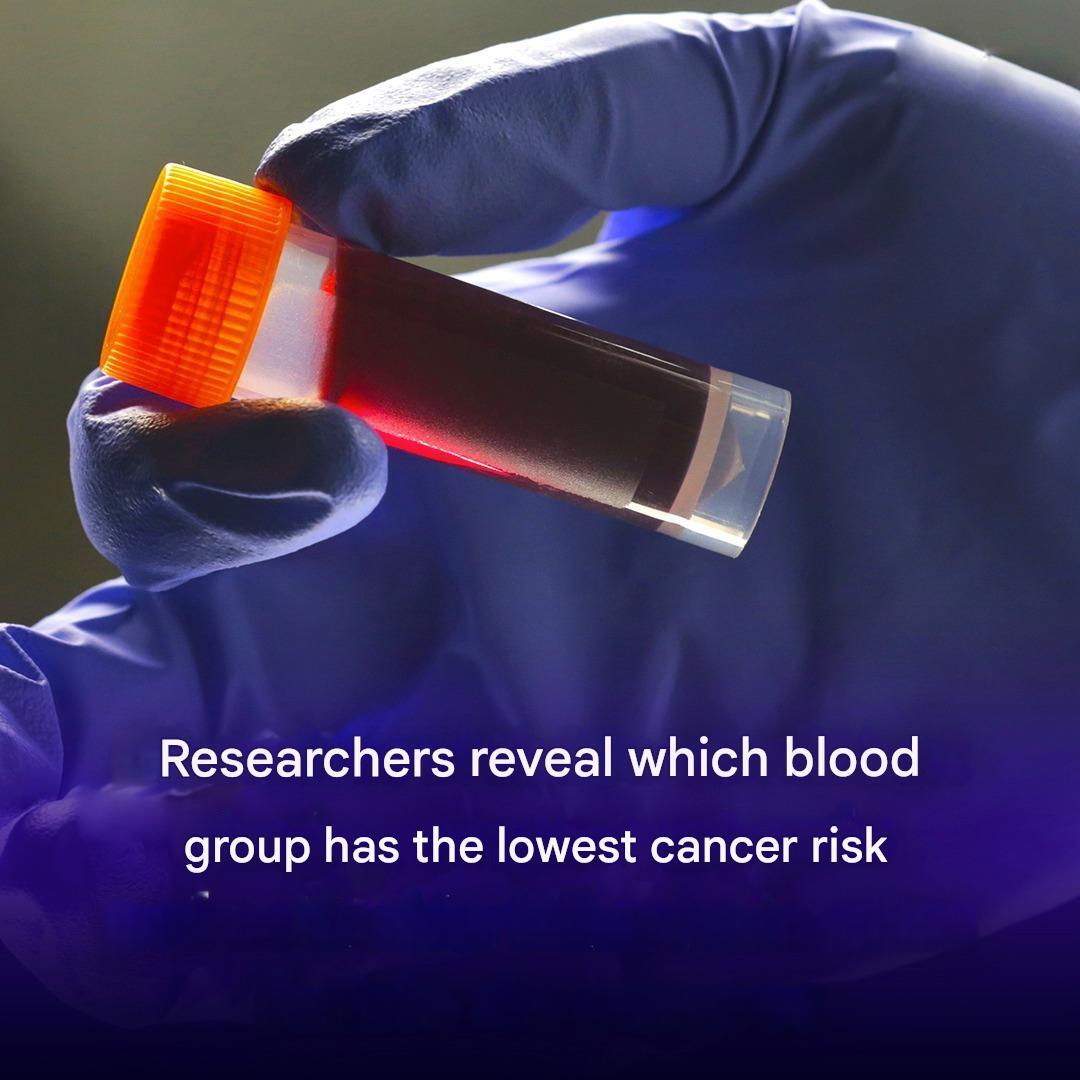
When it comes to colorectal cancer, evidence is less clear. Some research suggests a slightly higher risk for people with type A, while other studies find no notable difference. The same inconsistency applies to breast, prostate, and lung cancers, where the results are often weak and not statistically significant. One major study found no connection at all between blood type and breast cancer risk or survival, suggesting that while blood type might influence some cancers, it is far from a universal pattern.
Interestingly, some populations show variations. For example, in a Chinese cohort study, men with blood type B had a lower risk of gastrointestinal cancers than those with type A. Geography, diet, genetics, and lifestyle all appear to affect how these associations play out.
Researchers assess the strength of these links using the odds ratio (OR), which measures how much more likely an event is in one group compared to another. For gastric cancer, one large meta-analysis found that people with blood type A had a 19% higher risk than those with blood type O (OR of ~1.19). While statistically significant, this is still a relatively small difference. To put it in perspective, smoking or heavy alcohol consumption increases cancer risk by much larger margins.
Practical Takeaways
Blood Type is Not Destiny: Having blood type O doesn’t make you immune to cancer, nor does having A, B, or AB seal your fate. These are statistical trends, not guarantees. Lifestyle choices, genetics, and environment matter far more.
Cancer Risk is Complex: A variety of factors, including diet, exercise, alcohol consumption, exposure to carcinogens, and family history, influence cancer risk much more than blood type. Blood type may contribute slightly, but it is only one factor among many.
Potential Biological Mechanisms: Researchers are studying why these links exist. One possibility is that blood type antigens influence cell adhesion, immune signaling, and the body’s ability to recognize abnormal cells. These antigens could also affect how easily tumors grow or avoid detection. Another area of research is the gut microbiome, which varies depending on blood type and may impact inflammation and carcinogen processing.
Continue reading…
