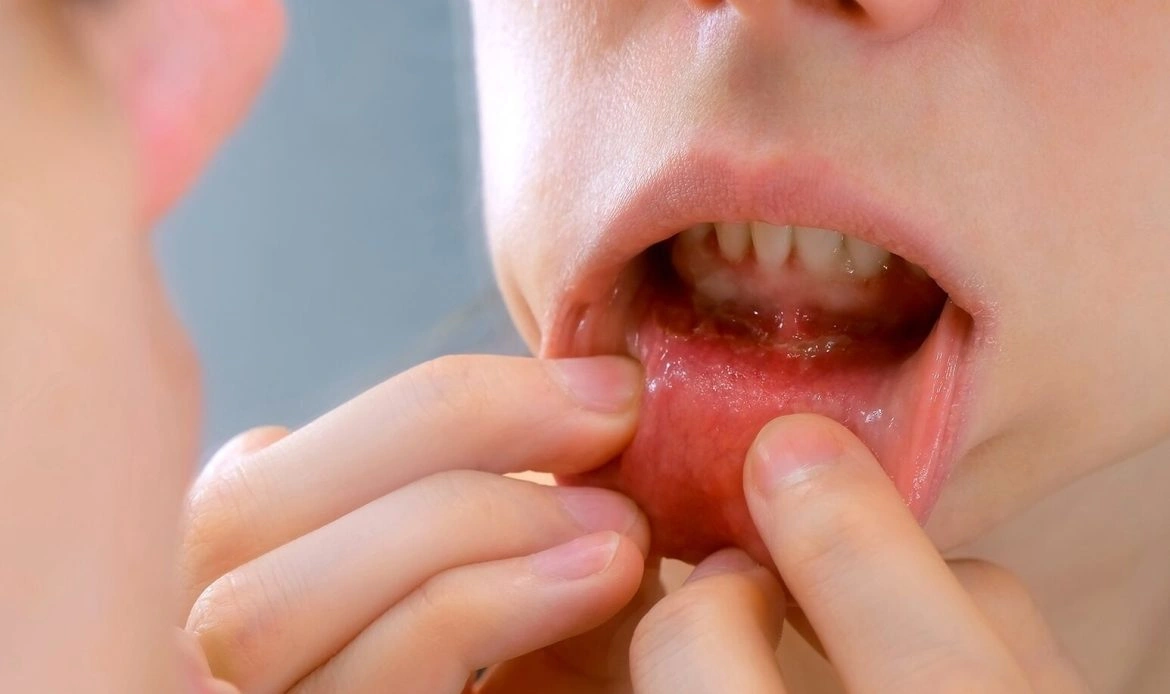
Early Signs You Should Never Ignore
One of the biggest dangers of oral cancer is that early symptoms are often painless. Common warning signs include mouth sores that do not heal within two weeks, red or white patches inside the mouth, persistent mouth pain, numbness, or a burning sensation. Difficulty chewing, swallowing, or speaking, unexplained bleeding, loose teeth without dental cause, and a lump in the neck or jaw are also important red flags.
Common Causes and Risk Factors
Tobacco use is the leading risk factor. Smoking cigarettes, cigars, pipes, or using chewing tobacco greatly increases risk. Excessive alcohol consumption also plays a major role, especially when combined with smoking. Human papillomavirus (HPV), particularly HPV-16, is increasingly linked to oral and throat cancers. Poor oral hygiene, ill-fitting dentures, chronic mouth irritation, prolonged sun exposure to the lips, and a weakened immune system may also contribute.
Why Early Detection Is Critical
When oral cancer is found early, treatment success rates are much higher. Unfortunately, many cases are diagnosed at advanced stages because symptoms are overlooked or ignored. Regular dental checkups are crucial, as dentists are often the first to spot suspicious changes in the mouth.
How to Lower Your Risk
Avoid tobacco in all forms and limit alcohol consumption. Maintain good oral hygiene, eat a diet rich in fruits and vegetables, and protect your lips from excessive sun exposure. If you are sexually active, discuss HPV prevention with a healthcare provider. Most importantly, pay attention to changes in your mouth and seek medical or dental advice if something doesn’t heal or feels unusual.
When to See a Doctor or Dentist
If you notice any persistent sores, lumps, pain, or changes in your mouth lasting more than two weeks, do not delay. Early evaluation can save lives.
Oral cancer is not rare, but it is often preventable and treatable when caught early. Awareness is your strongest protection.
