Cauliflower is crucial for digestion. The vegetable contains 2.28 g of fiber, which helps with digestive support. The sulforaphane in cauliflower also helps protect the stomach lining and prevents H. pylori overgrowth.
The glucosinolates and thiocyanates also display anti-inflammatory properties, which can reduce inflammation in health conditions likes ulcerative colitis, irritable bowel syndrome (IBS), inflammatory bowel disease, Crohn’s disease, rheumatoid arthritis, type 2 diabetes, insulin resistance, metabolic syndrome, and obesity.
What Is the Best Way to Eat Cauliflower?
Lightly steaming cauliflower is always a good idea. Mashing cooked cauliflower can also turn it into a healthy alternative to mashed potatoes. It is an easy recipe, and only requires a large head of cauliflower, five garlic cloves, a third cup of chives and basil, and grey Celtic sea salt.
To make some nutritious cauliflower mash, first steam the cauliflower and garlic for about 15 minutes, or until tender. Next, combine the steamed cauliflower and garlic, sea salt, and fresh herbs in a high-powered blender or food processor until a mashed potato consistency forms. And that’s it: in two steps, you have a delicious side dish to any healthy meal.
Is Broccoli Better Than Cauliflower?
And the winner is…
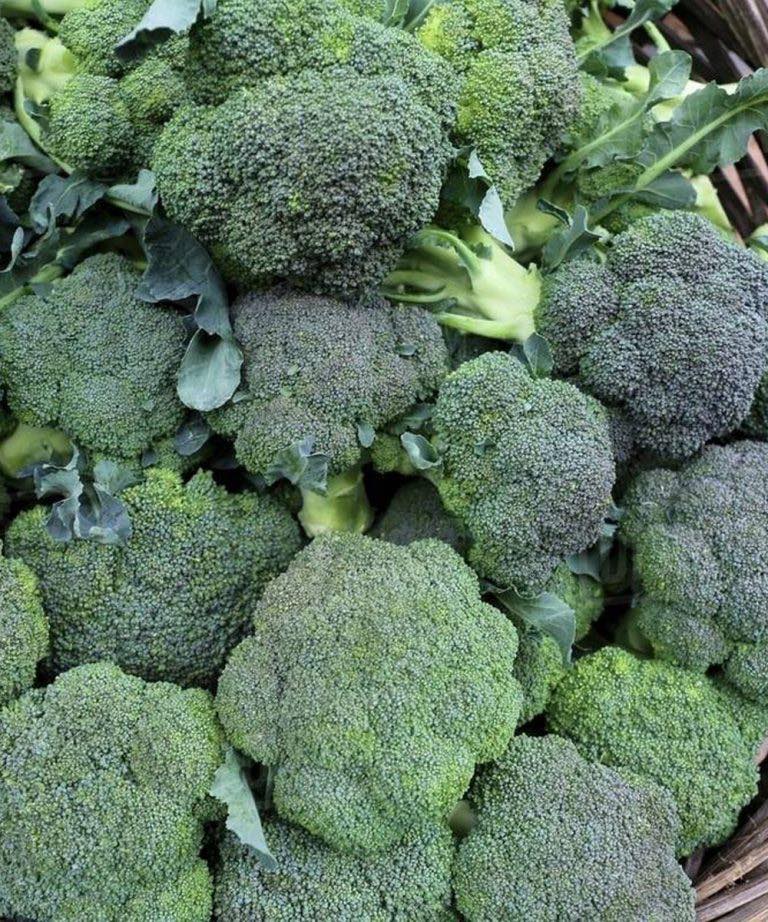
The statistics don’t lie: broccoli is more nutritious than cauliflower. Broccoli outperforms cauliflower in every major nutritional category, especially for protein, fiber, calcium, iron, magnesium, and vitamins A, C, and K.
Where does cauliflower have the advantage? Cauliflower contains fewer calories.
Overall, you can’t go wrong with either cruciferous vegetable. After all, they are both loaded with nutrients, even if one is a seeming superfood and the other is just a healthy food choice.
Is There Any Downside to Their Health Benefits?
