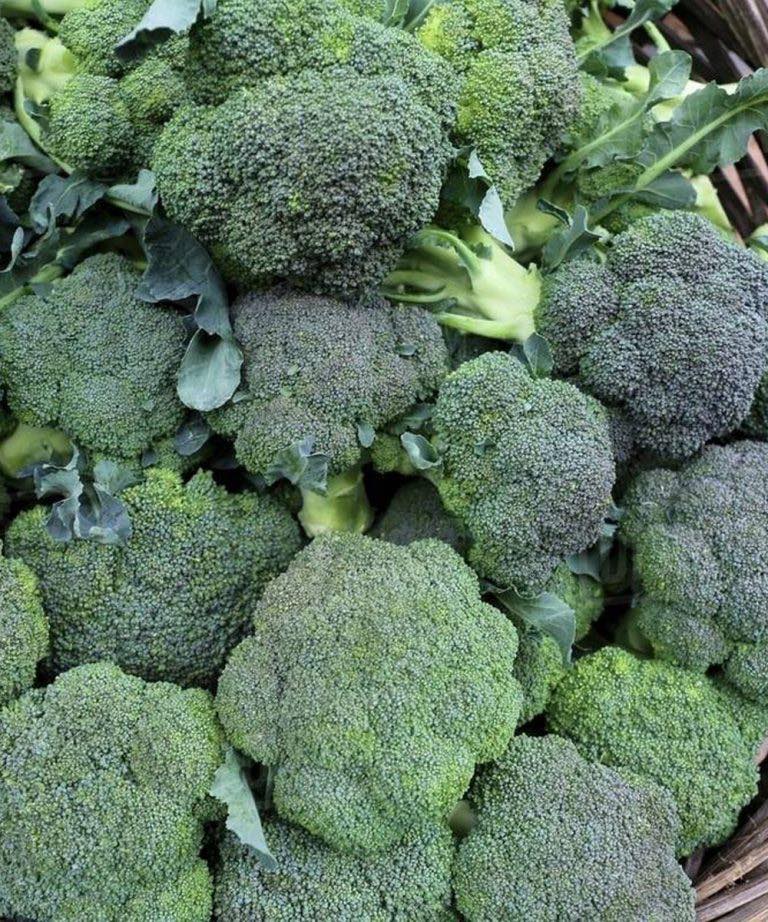
You are advised to be eating at least five cups a week of cruciferous vegetables, especially including broccoli and cauliflower. Why should you eat these specific veggies? Well, the similarities between broccoli and cauliflower continue into their nutrient content.
Vitamins
A cup of broccoli contains 2,280.7 IU (international units) of vitamin A, which provides 46.6% of your recommended daily intake. It also contains 123.4 mg (milligrams) of vitamin C, or an incredible 205.7% of your recommended daily intake! Cauliflower only contains 54.9 mg of vitamin C and 21.08 IU of vitamin A.
What about vitamin K? Broccoli also outperforms cauliflower in this category. Broccoli contains 155.2 mcg (micrograms) of vitamin K compared to 11.2 mcg in cauliflower. The green cruciferous veggie also contains greater amounts of vitamin E and the B vitamins folate (B9), pyridoxine (B6), pantothenic acid (B5), niacin (B3), and riboflavin (B2).
Protein
Protein is crucial for every cell in your body. The macronutrient is considered essential for building and strengthening muscles, bones, skin, cartilage, and blood. Protein is also necessary for strong immunity and healthy brain function.
It is crucial to remember that not all protein sources are the same. For example, your daily protein bar may be loaded with protein, but it is also filled with sugar and food additives. Cruciferous vegetables like cauliflower and broccoli help contribute to your daily protein intake, but broccoli packs bigger muscle in the protein category as well. A cup of cooked broccoli (156 grams) contains 4.7 g of protein, while cauliflower contains 2.3 g of protein per cup (124 g).
Calories
Are you concerned about your calorie intake? The good news is that broccoli and cauliflower are both extremely low in calories; however, cauliflower has a slight edge in this category. A cooked cup of broccoli contains 44 calories, whereas cooked cauliflower contains only 29 calories per cup, which is good news for your waistline.
Also, broccoli and cauliflower benefit any weight loss plan with about 0.55 g of total fat per cup. Overall, both veggies should help you lose weight.
Apart from vitamins, the powerhouse cruciferous vegetables are also packed with the other important micronutrients—minerals. Both vegetables are high in calcium, iron, and magnesium.Continue reading…
