 Choosing the Right Equipment
-
-
- Automatic digital monitor (upper arm cuff) – Most accurate for home use.
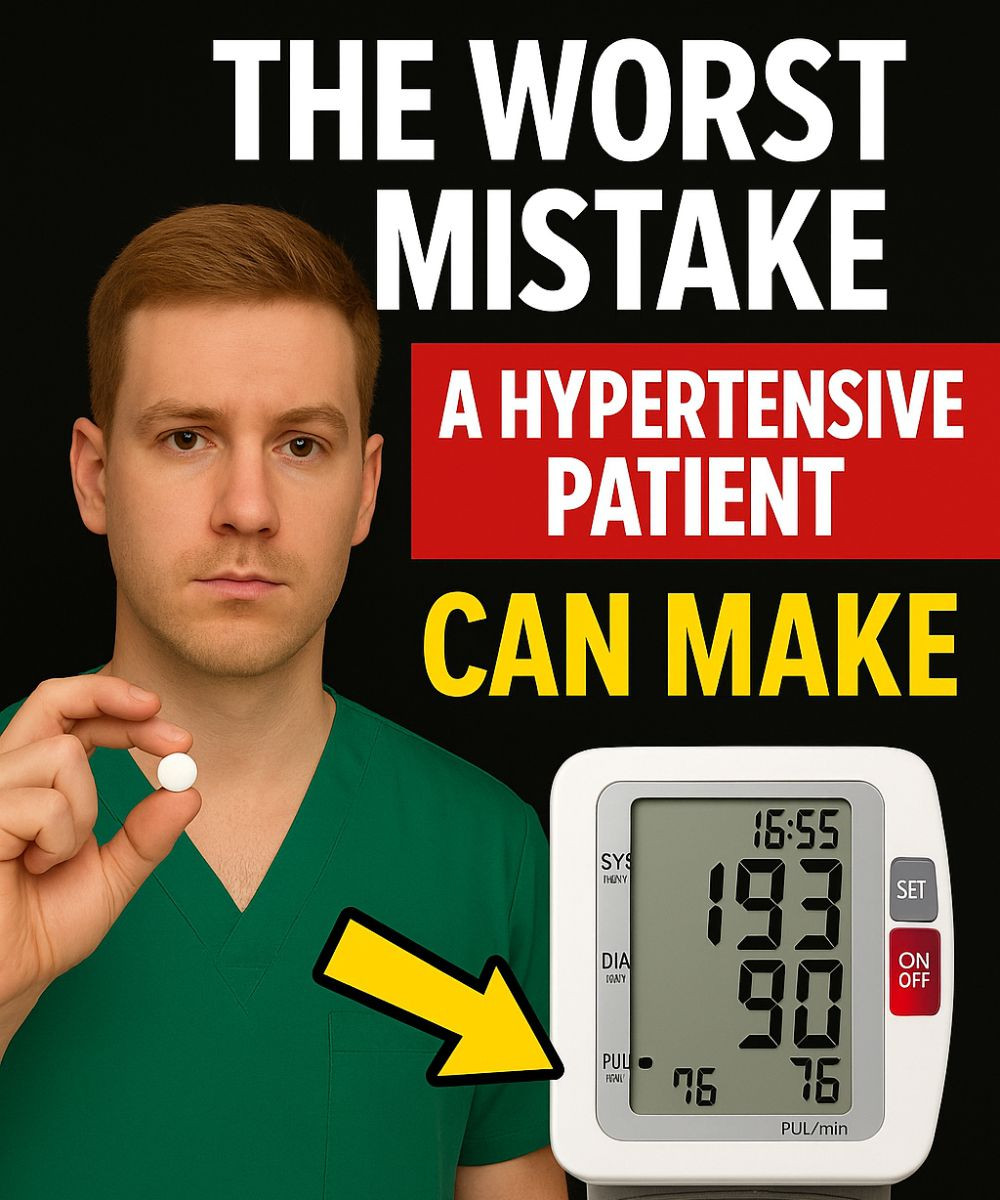
- Avoid wrist or finger monitors – Easier to use but less reliable.
- Ensure correct cuff size – A cuff too small or too large can give wrong readings.
-
 How to Prepare for Accurate Measurement
To get a reliable reading:
-
-
- Rest 5 minutes before measuring.
- Sit in a chair with back supported, feet flat on the floor.
- Keep your arm at heart level, resting on a table.
- Avoid caffeine, smoking, or exercise 30 minutes before measurement.
- Stay calm and quiet — talking or moving affects readings.
-
 How to Take Your Blood Pressure
-
-
- Wrap the cuff snugly around your upper arm (above the elbow).
- Start the device and remain still until it finishes.
- Record the systolic (top number) and diastolic (bottom number).
- Take two or three readings, one minute apart, and note the average.
- Measure at the same time every day for consistency.
-
 Understanding Your Numbers
-
-
- Normal: <120 / <80 mmHg
- Elevated: 120–129 / <80 mmHg
- High Blood Pressure (Hypertension) Stage 1: 130–139 / 80–89 mmHg
- Hypertension Stage 2: ≥140 / ≥90 mmHg
- Hypertensive crisis: >180 / >120 mmHg — seek emergency care immediately
-
 When to Worry
Seek prompt medical attention if you experience any symptoms with high readings:
-
-
- Severe headache
- Chest pain
- Shortness of breath
- Vision changes
- Weakness or numbness
-
Even without symptoms, persistently elevated readings above 130/80 should prompt a doctor’s visit.
 Tips for Accurate Home Monitoring
-
- Measure twice daily (morning and evening) for 7 days before a doctor visit.
- Keep a log — digital monitors often store readings, but a notebook works too.
- Avoid “chasing numbers” — only treat your blood pressure based on doctor guidance.
- Bring your monitor to appointments for calibration checks.
-
