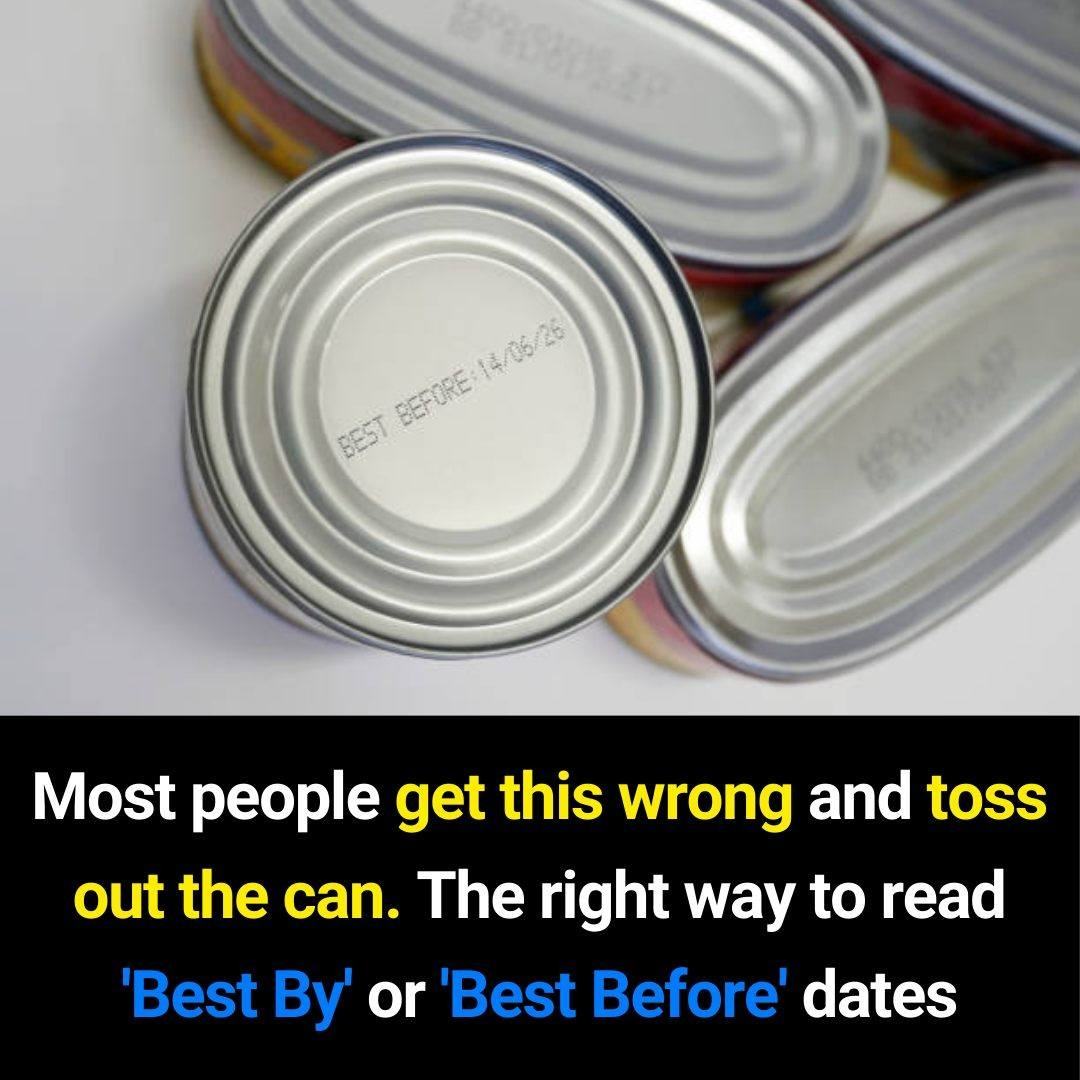
Why People Get It Wrong
- Confusing quality with safety: Many assume that once a “Best By” date passes, the food is unsafe, which is often untrue.
- Discarding food too early: People throw away perfectly good items, contributing to massive food waste worldwide.
- Ignoring storage conditions: The dates assume proper storage. Refrigerated or frozen items can last longer than the printed date if stored correctly.
-
Tips to Avoid Confusion
- Check your senses: Smell, look, and taste (small amount) can help determine freshness. If it smells fine and shows no signs of spoilage, it’s likely safe.
- Understand the type of product: Shelf-stable items like canned goods may last months past “Best By,” while fresh foods like milk or fish require more caution.
- Store properly: Proper refrigeration, sealing, and freezing can extend the usability of food beyond the printed date.
Why This Matters
Misinterpreting these dates leads to billions of pounds of edible food being wasted every year. By understanding what these labels really mean, you can save money, reduce waste, and still eat safely.
