.
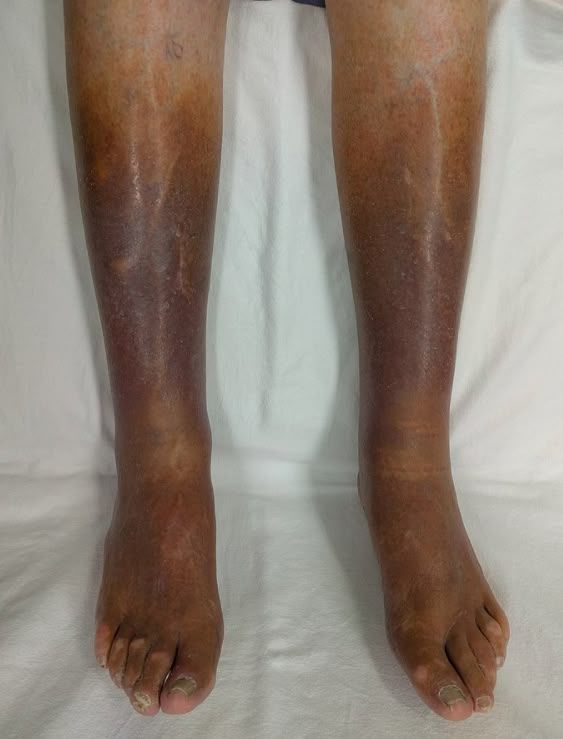
For many, wearing compression stockings may seem unappealing, often because they may initially feel restrictive or uncomfortable. However, it’s essential to recognize that not all compression stockings are created equal. They come in various materials, compression levels, and styles, so finding the right pair for your needs is crucial. Today’s options include lightweight, breathable fabrics that are suitable for everyday wear, and they come in a variety of colors and designs that are far from the drab, medical-looking stockings of the past. Some stockings are even designed for specific activities, such as athletics or travel, making them more comfortable and practical for daily use.
Photo Credit: Wikicommons
Exercise To Improve Circulation
Physical activity benefits overall health and is vital in managing chronic venous insufficiency. Exercise helps the muscles in your legs contract, allowing the veins to push blood back toward the heart. Blood can pool in the legs without regular movement, exacerbating symptoms like swelling, heaviness, and discomfort. Therefore, incorporating regular exercise into your routine is essential for managing chronic venous insufficiency.
Low-impact exercises, such as walking, swimming, or cycling, are particularly beneficial as they promote circulation without putting too much strain on your joints. Walking, for instance, is an excellent way to keep your blood flowing and can be easily integrated into your daily routine. Aiming for at least 30 minutes of moderate exercise daily can significantly affect symptom management. Yoga or Pilates can improve flexibility and strengthen the muscles supporting your veins.
For those with a sedentary lifestyle, taking regular breaks to move around is essential, especially if you spend a lot of time sitting or standing in one place. Simple actions like standing up to stretch, taking a short walk, or performing calf raises can help stimulate blood flow. Even during long periods of inactivity, such as sitting at a desk or during travel, these slight movements can prevent blood from pooling in your legs.
Continue reading…
